Cockpit at sunrise
Aviation & Human Factors

The Human Factor
of Safety

Crew Resource Management, Threat & Error Management, and more than 20 years of judging — and being judged on — what separates a safe flight from a near-miss.

Original Contributions

Bringing Human Factors Into the Cockpit — and Into the Investigation Room

Before this work, IAF safety investigations focused almost entirely on mechanical and procedural failure. The human side of aviation — communication breakdowns, threat perception, instructor-trainee dynamics, decision-making under stress — wasn't systematically examined. I helped change that.

2009

Selected for the IAF's First CRM Instructor Course

Chosen from roughly 80 Apache pilots to join the inaugural Crew Resource Management instructor-trainer course — selected for a background in behavioral psychology that was unusual among operational pilots.

2009 – 2015

CRM-TEM Workshops Across IAF Helicopter Squadrons

Delivered Crew Resource Management and Threat & Error Management training across multiple squadrons, deliberately targeting the youngest pilots first — betting correctly that the next generation would carry the methodology forward as they became instructors themselves.

2012

First CRM-TEM Integration Into a Formal IAF Investigation

Called in by my squadron commander to join a formal safety investigation following an operational incident — the first time CRM-TEM analysis was applied inside an IAF accident inquiry. The methodology was adopted IAF-wide and is now mandatory in every flight-safety investigation.

Ongoing

"Instructional Coping Tools for Instructors and Trainees"

Designed and built an original course addressing the psychological friction between trainees and the instructors who trained them — now incorporated into the "Foundation File," the IAF's mandatory training syllabus for every new attack-helicopter pilot.

Judging the Work of Others

Certification Panels & the Gibush

From 2008 on, I sat on the certification panels that decided whether pilots in my squadron advanced — through initial qualification, the move from back-seat to front-seat, instructor certification, and two- or four-helicopter formation leadership. It's not standard to include instructors beyond senior command on these panels. I was an exception because of how I evaluated pilots under stress, not just on technique.

From 2020–2024 I served on the professional staff of the Gibush — the IDF's grueling multi-day selection process for the Flight Academy. Each cycle starts with roughly 700 candidates; about 40 graduate as pilots two years later. I was there for the screening that decides who gets that chance.
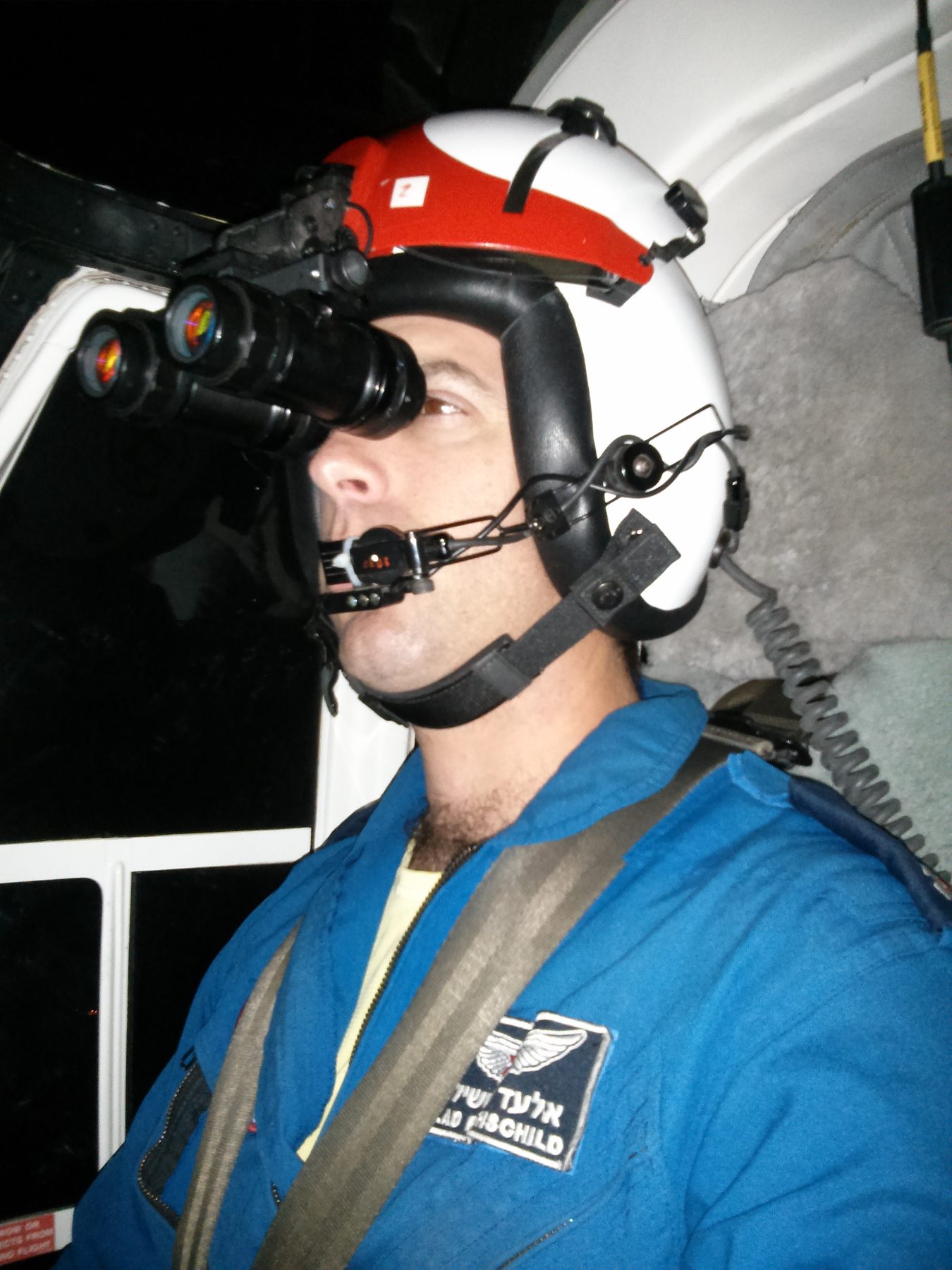
Elad wearing night vision goggles, name tag visible
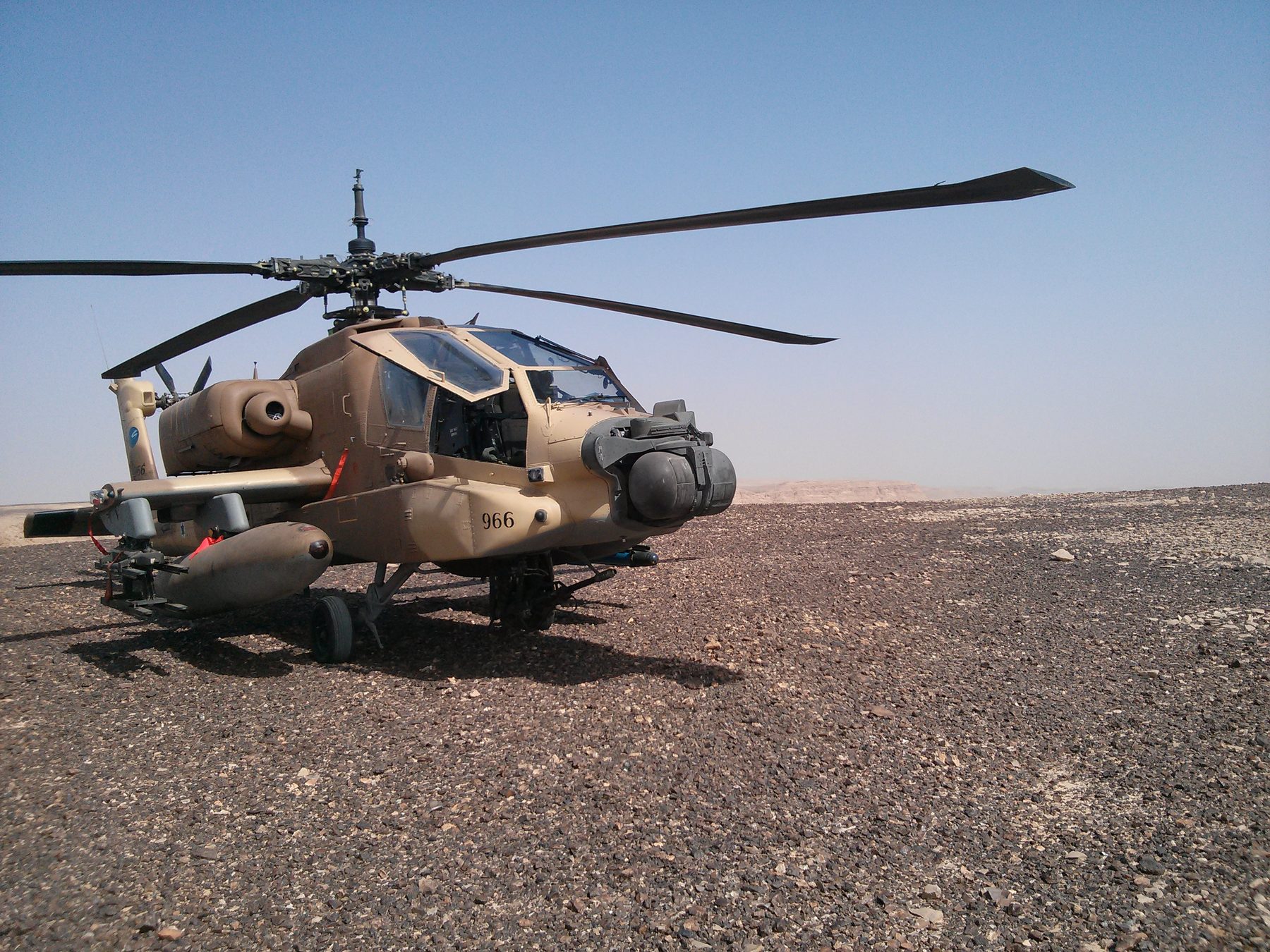
Apache helicopter in the desert
Critical Operational Role

Weapons Testing & Close-Air-Support Doctrine

During reserve service, I was selected to author an official Operational Requirement document for a new munitions system — laser-guided rockets, intended to address a global shortage of Hellfire missiles. The system lets Apache crews deliver precision fire at greater volume and from greater standoff range, increasing both mission capacity and crew safety.

I also wrote the experimental protocols for a classified live-fire test program validating a multi-platform targeting technique: one aircraft designating a target with a laser while another — helicopter, drone, or jet — delivers the strike from a safer distance. I managed the test execution, reviewed results from drone footage and pre/post-strike imagery, and saw the technique adopted into operational use.

From Attack Helicopters to the Dreamliner

The Same Discipline, Different Cockpit

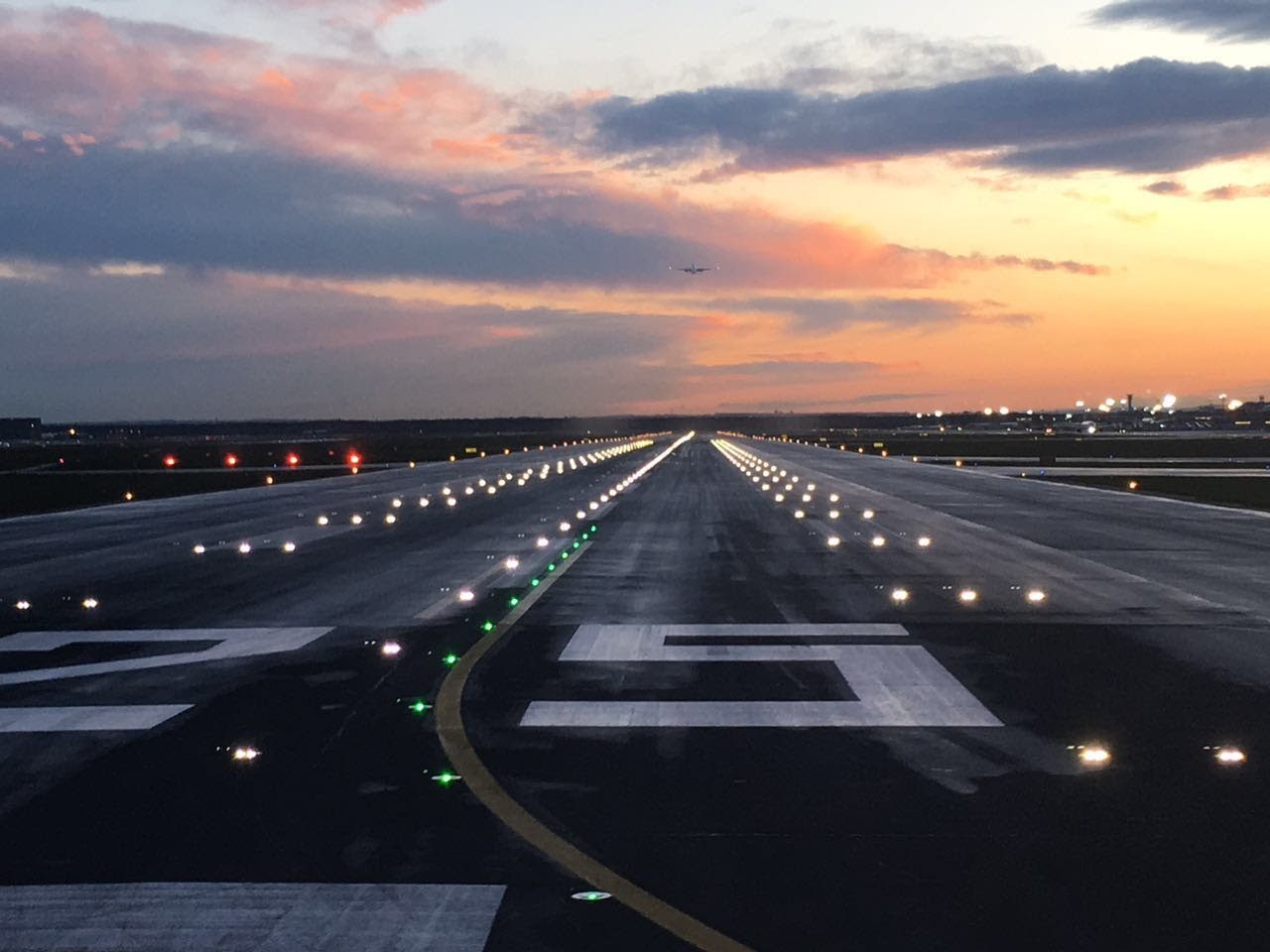
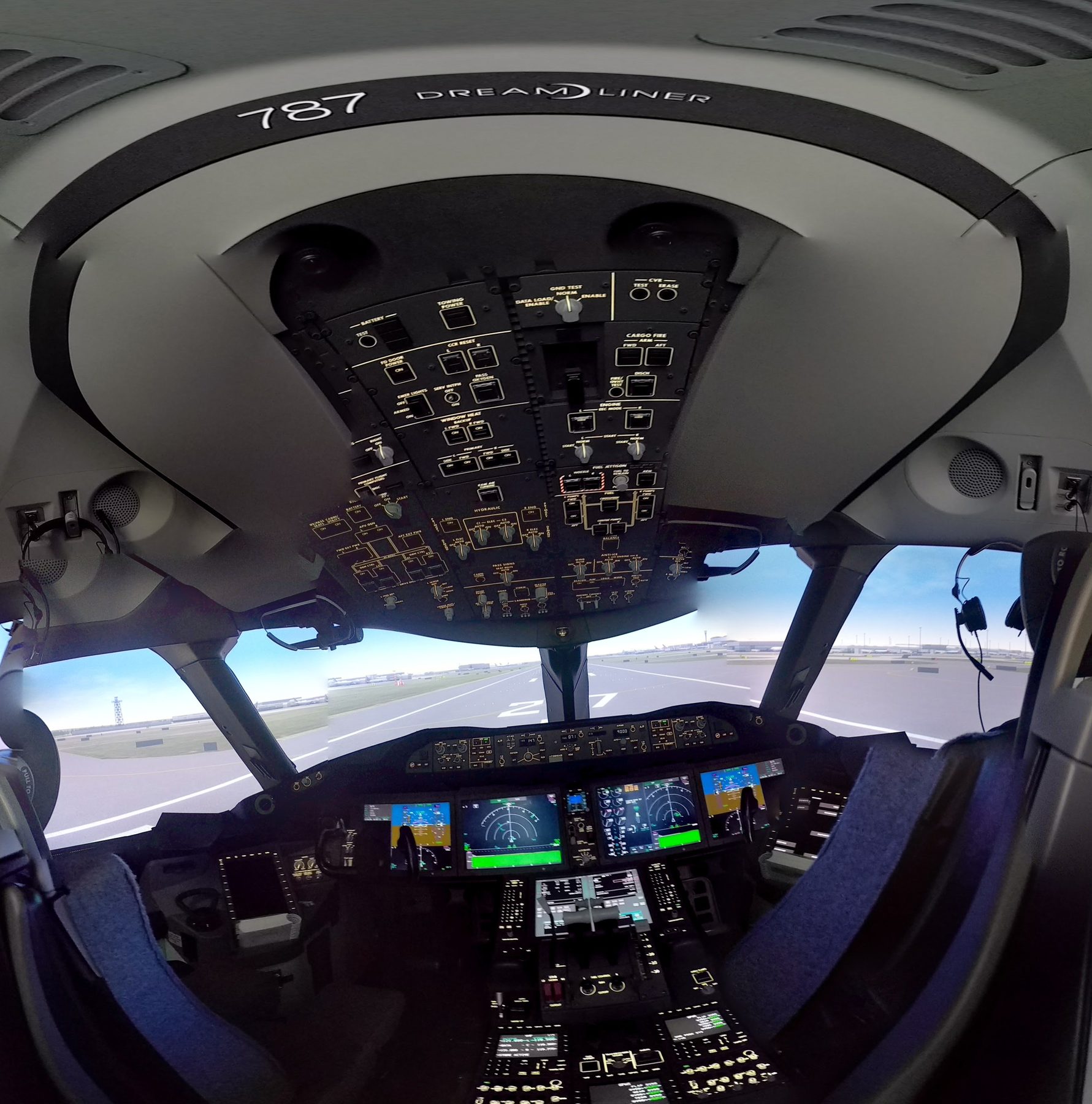
In 2015 I transitioned to civilian airline flying with El Al, training first on the Boeing 737 and later the 787 Dreamliner. I was promoted to Captain in 2023. The instincts that kept Apache crews alive — clear communication, accurate threat assessment, knowing when to slow down — translate directly to a 787 flight deck carrying 300 passengers.

787 on the runway at sunset El Al 787 under a rainbow Cockpit panoramic view over desert
A checklist doesn't make you safe. Understanding why the person next to you just went quiet does.
— Elad Rothschild